
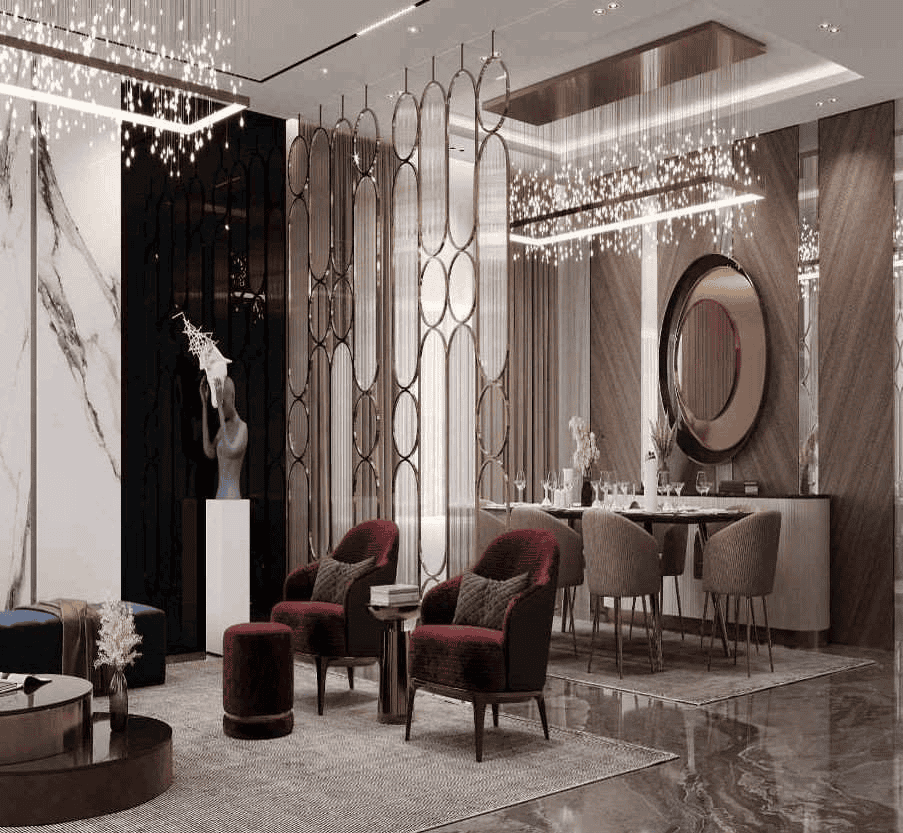
Urban spaces grow denser each year. Apartments shrink, energy costs climb, and waste production soars. The built environment now accounts for nearly forty percent of global carbon emissions. This reality forces a critical shift in how people design their living and working spaces. A professional interior design company in UAE holds the keys to a quieter revolution, one focused on balancing human comfort with planetary well-being.
Conscious material selection:
Choosing the right materials forms the foundation of ecological design. Recycled timber, bamboo, cork, and reclaimed metal reduce the demand for virgin resources. Low-VOC paints and adhesives keep indoor air clean and healthy. Fabrics made from organic cotton or hemp offer durability without toxic chemical treatments. These choices directly lower the carbon footprint of any renovation or new build.
Energy efficiency through layout:
The arrangement of furniture and walls affects natural light flow and heat distribution. Open floor plans permit sunlight to reach deeper into rooms, reducing the need for artificial lighting during daytime. Strategic placement of storage units can create thermal buffers against exterior walls. Ceiling fans and operable windows work with passive solar orientation to cut heating and cooling loads. Small adjustments in spatial planning yield measurable energy savings each month.
Waste reduction strategies:
Construction and demolition debris fills landfills at an alarming rate. Interior firms now specify modular furniture systems that adapt to changing needs rather than requiring replacement. Designers measure spaces precisely to minimise off-cuts and surplus materials. They partner with suppliers who take back packaging or offer take-back programmes for old fixtures. These practices turn waste into a design problem with practical solutions.
Biophilic design elements:
Connecting occupants to nature improves mental health and physical vitality. Living green walls filter airborne pollutants while adding visual softness to hard surfaces. Large windows frame outdoor views, reinforcing daily rhythms of light and shadow. Natural textures such as stone, wool, and rattan soothe sensory overload from urban noise. These features reduce stress hormones and encourage restorative rest, proving that ecology and well-being walk hand in hand.
Longevity and timelessness:
Fast-changing trends encourage disposal of perfectly useful objects. Classic proportions, neutral palettes, and quality craftsmanship outlast seasonal fads. Durable joinery and solid hardware allow furniture to survive moves and lifestyle changes. Investing in pieces that age gracefully reduces the frequency of purchases and keeps valuable materials out of incinerators. Lasting design respects both the user’s wallet and the planet’s finite resources.